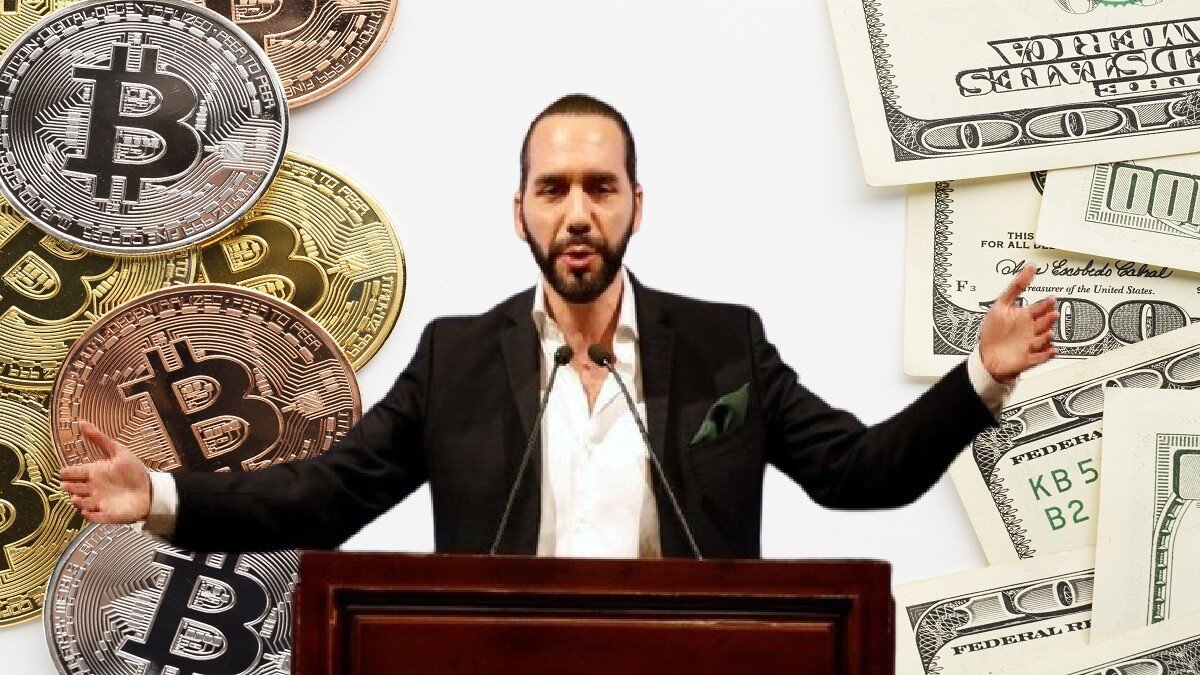


Nigel Farage’s Strategic Bet: A Deep Dive into Political Capital Meeting Digital Assets with Stack BTC
🔑Key Takeaways
- Nigel Farage, a prominent UK political figure, has invested approximately $286,000 to acquire a 6.31% stake in Stack BTC, a London-listed Bitcoin treasury company.
- This investment signals a significant step towards the mainstreaming of Bitcoin and blockchain technology, bridging traditional political influence with the digital asset world.
- Stack BTC operates on the Bitcoin treasury model, holding significant corporate reserves in Bitcoin as a hedge against inflation and for long-term value appreciation, appealing to institutional and corporate investors.
- Farage’s public involvement will likely intensify scrutiny on crypto in UK politics, potentially accelerating regulatory discussions on disclosure and conflict of interest for public officials in the digital asset space.
- The broader narrative highlights crypto and blockchain as catalysts for profound business transformation, driving innovation in finance, digital transformation, operational optimization, and Web3 developments.
📑Table of Contents
-
- The Significance of Nigel Farage’s Investment
- Decoding Stack BTC: The Rise of Bitcoin Treasury Companies
- The UK’s Evolving Crypto Landscape: Politics, Regulation, and Scrutiny
- Expert Takes
- Crypto and Blockchain: Catalysts for Business Transformation
- The Future Trajectory: Mainstream Adoption and Institutional Integration
- Frequently Asked Questions
✔The digital asset landscape continually evolves, marked by innovations, market shifts, and increasingly, the strategic engagement of influential figures from traditional sectors. One such development recently captured headlines, signaling a noteworthy intersection of established political influence and the burgeoning world of cryptocurrency: the investment of Nigel Farage, a prominent UK political personality, in Stack BTC, a London-listed Bitcoin treasury company. Farage’s acquisition of a 6.31% stake, valued at approximately $286,000, is more than just a personal financial decision; it’s a move imbued with broader implications, particularly against the backdrop of ongoing scrutiny over crypto donations in UK politics. This event serves as a powerful indicator of the mainstreaming of Bitcoin and blockchain technology, prompting a deeper exploration into what this means for business professionals, entrepreneurs, and the wider digital asset ecosystem.
✔Farage’s investment is a testament to the growing legitimacy and perceived stability of Bitcoin as an asset class, even among those traditionally aligned with conventional financial paradigms. For years, Bitcoin has been lauded by proponents as “digital gold,” a hedge against inflation, and a decentralized alternative to fiat currencies. While its volatility has often been a point of contention, its resilience and growing institutional adoption continue to draw significant attention. A political figure of Farage’s stature making such a public and substantial investment sends a powerful signal, potentially encouraging a segment of the population that might otherwise be hesitant to explore digital assets. It underscores a shift from crypto being a niche interest to a legitimate component of a diversified investment strategy, even for those operating within the traditional establishment.
✅The Significance of Nigel Farage’s Investment
To truly grasp the weight of this development, one must consider Nigel Farage’s background. As a highly recognizable and often controversial figure in British politics, known for his instrumental role in the Brexit campaign and his charismatic, populist appeal, Farage commands significant media attention and influences public discourse. His endorsement, whether direct or implied through investment, carries considerable symbolic capital. For a figure who has historically championed national sovereignty and traditional values, an investment in a global, decentralized asset like Bitcoin might seem paradoxical to some. However, it can also be interpreted as a pragmatic acknowledgment of evolving financial realities and a strategic move to align with future economic trends.
His 6.31% stake in Stack BTC is not a passive, speculative bet. It represents a meaningful ownership percentage that suggests a more committed interest in the company’s performance and the broader Bitcoin market. Such a public commitment from a figure with a large following could serve to demystify Bitcoin for a segment of the general public and business community that often views crypto with skepticism or misunderstanding. It provides an unexpected bridge between traditional political and economic thinking and the avant-garde world of digital finance, potentially catalyzing broader discussions around asset diversification, inflation hedging, and the future of monetary systems among a more conservative investor base.
✅Decoding Stack BTC: The Rise of Bitcoin Treasury Companies
At the heart of Farage’s investment lies Stack BTC, a company operating on a relatively novel, yet increasingly popular, business model: the Bitcoin treasury. Understanding what a Bitcoin treasury company entails is crucial for business professionals looking to comprehend the evolving landscape of corporate finance.
A Bitcoin treasury company is essentially an entity that holds a significant portion of its corporate reserves in Bitcoin rather than, or in addition to, traditional fiat currencies or conventional assets like bonds and equities. This strategy gained significant traction during periods of high inflation and economic uncertainty, as corporations sought to protect their balance sheets from currency debasement and diversify their assets. Companies like MicroStrategy famously pioneered this approach, articulating a thesis around Bitcoin as a superior store of value and a long-term strategic asset.
🟢The rationale behind adopting a Bitcoin treasury strategy is multifaceted:
- Inflation Hedge: In an era of expansive monetary policies and rising inflation, traditional fiat currencies can lose purchasing power. Bitcoin, with its finite supply (capped at 21 million coins), offers a deflationary characteristic that makes it attractive as a hedge against inflation.
- Diversification: Adding Bitcoin to a corporate treasury diversifies the asset mix, potentially reducing portfolio risk by including an asset with a low correlation to traditional markets.
- Long-Term Value Appreciation: Many proponents believe Bitcoin is still in its early stages of adoption and has significant long-term growth potential as it becomes more integrated into the global financial system.
- Strategic Positioning: Holding Bitcoin signals a company’s forward-thinking approach, aligning it with technological innovation and the future of finance, which can be attractive to investors and talent alike.
- Operational Efficiencies: For companies engaged in global transactions, Bitcoin can offer more efficient and less costly payment rails, although this is more relevant for operational use than pure treasury holdings.
Stack BTC, as a London-listed entity, offers a regulated pathway for investors to gain exposure to Bitcoin via a corporate structure, potentially mitigating some of the direct risks and complexities associated with self-custody or navigating less-regulated exchanges. This model is a direct response to the demand from institutions and high-net-worth individuals seeking compliant and professionally managed exposure to digital assets, thereby bridging traditional capital markets with the crypto economy. It represents a significant financial innovation, offering a new category of investment vehicle that caters to the burgeoning interest in digital assets from a corporate and institutional perspective.
✅The UK’s Evolving Crypto Landscape: Politics, Regulation, and Scrutiny
◻The context of “broader scrutiny over crypto donations in UK politics” mentioned in the article summary is critically important. The UK, like many other major economies, is grappling with how to effectively regulate the rapidly expanding cryptocurrency market. Regulators are keen to foster innovation while simultaneously addressing concerns related to consumer protection, market integrity, anti-money laundering (AML), and combating the financing of terrorism (CFT).
◻The issue of crypto donations in politics adds another layer of complexity. While digital assets offer transparency through their public ledgers, they also present challenges related to source verification, valuation volatility, and potential for anonymity, which can complicate traditional campaign finance rules. Political donations are subject to strict scrutiny to prevent undue influence, corruption, and opaque funding. The entry of digital assets into this domain requires robust frameworks to ensure accountability and compliance.
◻Farage’s investment, while distinct from a donation, will undoubtedly draw attention to the financial dealings of political figures in the crypto space. It could inadvertently accelerate regulatory discussions around:
- Disclosure requirements: Mandating clearer and more comprehensive disclosure of crypto holdings and investments by public officials.
- Conflict of interest policies: Developing guidelines for politicians investing in companies or assets that could be directly impacted by legislative or policy decisions.
- Enhanced KYC/AML: Pushing for stricter adherence to “Know Your Customer” and “Anti-Money Laundering” protocols for all entities engaging with political finance, regardless of asset type.
◻This increased scrutiny, while potentially challenging for some, could ultimately be beneficial for the long-term health and legitimacy of the crypto industry. Clearer regulations provide certainty, attract more institutional players, and reduce the perception of crypto as a wild west. Blockchain’s inherent transparency features, when properly leveraged, could even offer solutions for more robust and auditable political finance systems, improving public trust and operational efficiency in reporting. This highlights how blockchain solutions can be applied not just to financial innovation but also to enhancing governance and compliance mechanisms in the digital age.
Expert Takes
➡”Nigel Farage’s investment in Stack BTC is more than a financial transaction; it’s a powerful symbolic gesture that signals the gradual but inevitable integration of digital assets into mainstream political and financial discourse,” notes a leading financial innovation expert. “For many, this legitimizes Bitcoin beyond the tech-savvy crowd, prompting traditional investors and even politicians to take a closer look.”
➡Another crypto market analyst suggests, “The rise of Bitcoin treasury companies like Stack BTC is a clear indication of a paradigm shift in corporate finance. Businesses are increasingly seeking alternatives to traditional fiat-denominated reserves, viewing Bitcoin as a strategic asset for long-term wealth preservation and growth. Farage’s involvement shines a spotlight on this nascent, yet robust, sector.”
➡”While such high-profile political engagement brings increased visibility and credibility to crypto, it also comes with the inevitable magnifying glass of regulatory and public scrutiny,” cautions a blockchain policy advisor. “This pressure could be a catalyst for clearer, more comprehensive regulatory frameworks for digital assets, which, in the long run, will foster greater institutional adoption and market stability in the UK.”
✅Crypto and Blockchain: Catalysts for Business Transformation
Beyond the headlines of individual investments, the broader narrative of crypto and blockchain technology is one of profound business transformation. These technologies are not merely about new forms of money; they represent foundational shifts in how value is created, exchanged, and managed across industries.
➖Financial Innovation
Crypto and blockchain are driving unprecedented innovation in finance. Decentralized Finance (DeFi) platforms are reshaping traditional banking services, offering new models for lending, borrowing, trading, and insurance without intermediaries. Asset tokenization, where real-world assets like real estate, art, or commodities are represented as digital tokens on a blockchain, is unlocking liquidity, enabling fractional ownership, and streamlining transfer processes. This offers business professionals opportunities for more efficient capital deployment, new investment vehicles, and enhanced market access. Financial services firms are already exploring how to leverage blockchain for faster settlements, reduced counterparty risk, and new product offerings.
➖Digital Transformation
Blockchain technology is a cornerstone of digital transformation across various sectors. Its immutable ledger provides a verifiable, tamper-proof record system, critical for supply chain management where transparency and traceability are paramount. Companies can track goods from origin to consumer, reducing fraud and improving ethical sourcing. In healthcare, blockchain can secure patient records and facilitate data sharing while maintaining privacy. For intellectual property management, it offers irrefutable proof of creation and ownership. This enhances operational efficiency by automating verification processes, reducing paperwork, and building trust in digital ecosystems.
➖Operational Optimization
The application of smart contracts, self-executing contracts with the terms directly written into code, is a game-changer for operational optimization. These contracts can automate various business processes, from supply chain payments to insurance claims, eliminating the need for intermediaries and reducing human error. This leads to significant cost savings, increased speed, and improved accuracy. Cross-border payments, notoriously slow and expensive through traditional banking channels, can be executed near-instantly and at lower costs using blockchain-based solutions, dramatically improving efficiency for businesses operating globally. For businesses, adopting these solutions can mean streamlined workflows, enhanced auditability, and a competitive edge in an increasingly digital economy.
➖Web3 Developments
The emergence of Web3, the decentralized internet, further extends these opportunities. With concepts like non-fungible tokens (NFTs) driving new forms of digital ownership and engagement, and Decentralized Autonomous Organizations (DAOs) reimagining corporate governance, businesses are exploring innovative ways to connect with customers, build communities, and structure organizations. NFTs, for instance, are transforming loyalty programs, digital marketing, and the creator economy, offering brands novel avenues for customer interaction and monetization. Web3 promises a more equitable and transparent digital landscape, where users have greater control over their data and digital assets, fostering new business models centered around decentralization and community ownership.
✅The Future Trajectory: Mainstream Adoption and Institutional Integration
🔹Nigel Farage’s investment in Stack BTC, alongside the continuous innovation in the crypto and blockchain space, underscores an undeniable trend: the increasing mainstream adoption and institutional integration of digital assets. We are witnessing a convergence of traditional financial systems with the nascent digital economy.
🔹The demand for regulated, compliant infrastructure to manage digital assets will only grow. Companies like Stack BTC are at the forefront of providing these solutions, offering familiar corporate structures for exposure to a revolutionary asset class. As more corporations consider holding Bitcoin as a treasury asset, or integrate blockchain into their operations, the sophistication and maturity of the ecosystem will continue to improve.
🔹The involvement of public figures, even when generating scrutiny, ultimately forces necessary conversations and can accelerate the development of clearer regulatory frameworks. These frameworks, while sometimes viewed as restrictive, are essential for attracting larger institutional capital and ensuring the long-term stability and integrity of the digital asset markets. The future will likely see digital assets becoming a standard, rather than exotic, component of diversified investment portfolios, corporate balance sheets, and global financial infrastructure. For business professionals and entrepreneurs, understanding these shifts is not merely about staying informed; it’s about identifying strategic opportunities for growth, efficiency, and innovation in a rapidly evolving global economy.
✅Frequently Asked Questions
➖What is Nigel Farage’s investment in Stack BTC?
Nigel Farage has invested approximately $286,000 to acquire a 6.31% stake in Stack BTC, which is a London-listed Bitcoin treasury company.
➖What is Stack BTC?
Stack BTC is a Bitcoin treasury company. This means it holds a significant portion of its corporate reserves in Bitcoin, offering investors a regulated way to gain exposure to the digital asset via a corporate structure.
➖Why is Nigel Farage’s investment significant?
His investment is significant because it signals the mainstreaming of Bitcoin, potentially legitimizing digital assets for a broader, more traditional audience. It also highlights the evolving intersection of established political influence and the burgeoning world of cryptocurrency, drawing attention to the crypto space.
➖What are the benefits of a Bitcoin treasury strategy?
The benefits include using Bitcoin as an inflation hedge, diversifying corporate assets, potential for long-term value appreciation, strategic positioning within the digital economy, and opportunities for operational efficiencies in global transactions.
➖How is the UK responding to crypto regulation?
The UK is actively grappling with regulating the crypto market, aiming to foster innovation while addressing concerns like consumer protection, market integrity, anti-money laundering (AML), and combating the financing of terrorism (CFT). Farage’s investment is expected to accelerate regulatory discussions, particularly concerning disclosure and conflict of interest policies for public officials involved in crypto.
💡Conclusion | Nigel Farage’s investment in Stack BTC is more than a fleeting headline; it’s a powerful symbol of the ongoing maturation of the cryptocurrency industry and its inexorable march into mainstream finance and politics. It highlights the growing appeal of Bitcoin as a strategic asset for corporate treasuries and the critical need for regulated pathways to participate in the digital asset economy. While the UK, like other nations, continues to navigate the complexities of crypto regulation, this development emphasizes the urgency for robust, clear frameworks that foster innovation while ensuring market integrity and consumer protection.
For business professionals and entrepreneurs, the lessons from this event extend far beyond political endorsements. They underscore the transformative potential of blockchain technology and digital assets to drive financial innovation, enhance operational efficiency, and redefine digital transformation across various sectors. From new investment vehicles and streamlined payment systems to transparent supply chains and novel business models emerging from Web3, the opportunities are vast. Engaging with and understanding these developments is no longer optional but a critical component of strategic planning in an increasingly digitized and decentralized global economy. The journey of integrating digital assets into our traditional systems is dynamic and complex, but the path toward a more efficient, innovative, and digitally empowered future is clear.